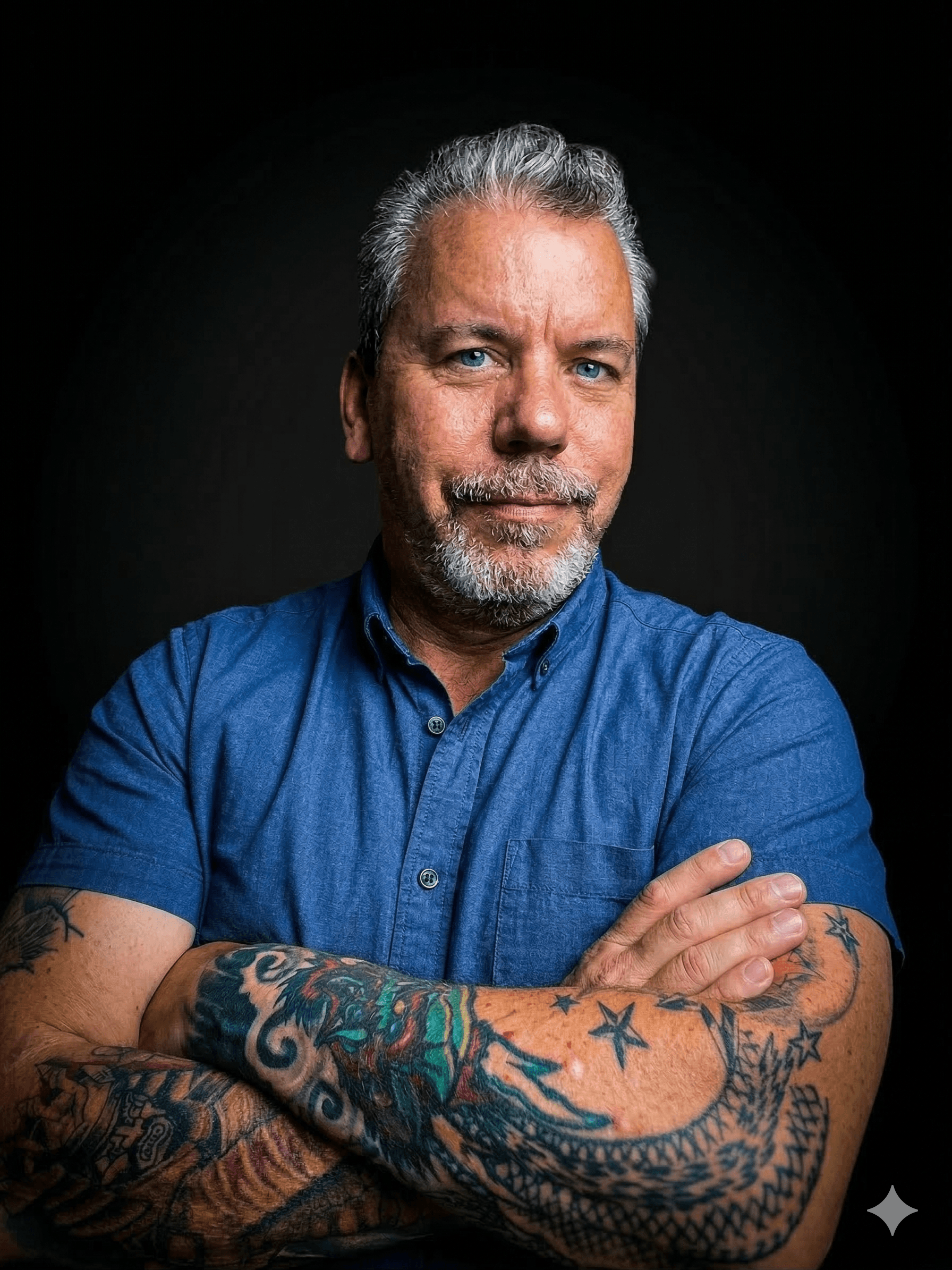
Michael Sanford
A CIO who leads from the front lines of technology, not from a slide deck. Two decades of architecting systems, building teams, and driving strategy grounded in hands-on technical depth.
I didn't learn this at a conference. I've built it, broken it, and rebuilt it. That's how I lead.
Tech Arsenal
AI, infrastructure, and the platforms I work with hands-on.
Core Capabilities
The intersection of executive leadership and deep technical craft.
Deep Technical Fluency
From infrastructure to application layer, I understand how systems work because I have built them. That depth informs every decision I make as a leader.
Technology Strategy
Aligning engineering investment with business outcomes. I translate between P&L language and architectural decisions without losing fidelity.
Engineering Leadership
Building high-performing teams that ship. Culture, hiring, mentorship, and the operational discipline to sustain velocity at scale.
Cloud & Infrastructure
Multi-cloud fluency across AWS, GCP, and Azure. Kubernetes orchestration, IaC with Terraform, and cost-optimized architectures.
Security & Compliance
Zero trust architectures, SOC2, HIPAA, GDPR. Security is not a department. It is an engineering practice woven into every layer.
Emerging Technology
AI, edge computing, modern data platforms. I evaluate emerging technology by getting my hands in it, not by reading analyst reports.
Career Arc
A career built on knowing the technology deeply enough to lead it decisively.
Chief Information Officer
Enterprise Technology Leadership
VP Engineering / Director of Engineering
Scaling engineering organizations from startup to growth stage
Principal Engineer / Staff Engineer
Hands-on technical leadership across the full stack
Operating Principles
How I think about technology, teams, and building things that last.
Technical depth is a leadership advantage.
The best technology decisions come from leaders who understand the consequences firsthand. I stay close to the work, not to do it for my teams, but to make better decisions, ask sharper questions, and earn the credibility to lead.
Simplicity is a competitive advantage.
The most resilient systems are the ones a new engineer can understand in a week. I push back on complexity that does not earn its keep. Every abstraction layer should justify its existence in operational clarity.
Speed comes from trust, not pressure.
High-velocity teams are built on psychological safety, clear ownership, and ruthless prioritization. I create environments where engineers make bold decisions because they know the organization has their back.
Security is architecture, not afterthought.
You do not bolt on compliance. You design it into the foundation. Zero trust, least privilege, encryption at rest and in transit. These are table stakes, not stretch goals.